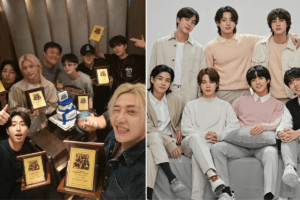
Clips and posts about “k pop idols fight” are blowing up again. Only a few recent cases were actually confirmed. Most viral moments are older stories or fan speculation.
Here’s a quick guide to what’s real, what’s rumored, and how agencies handle idol group conflict before it hits headlines.
What’s been confirmed since 2020
A handful of incidents had real consequences. Think hospital checks, member exits, or company action. These are the ones to know.
Plan B (2023–2024)
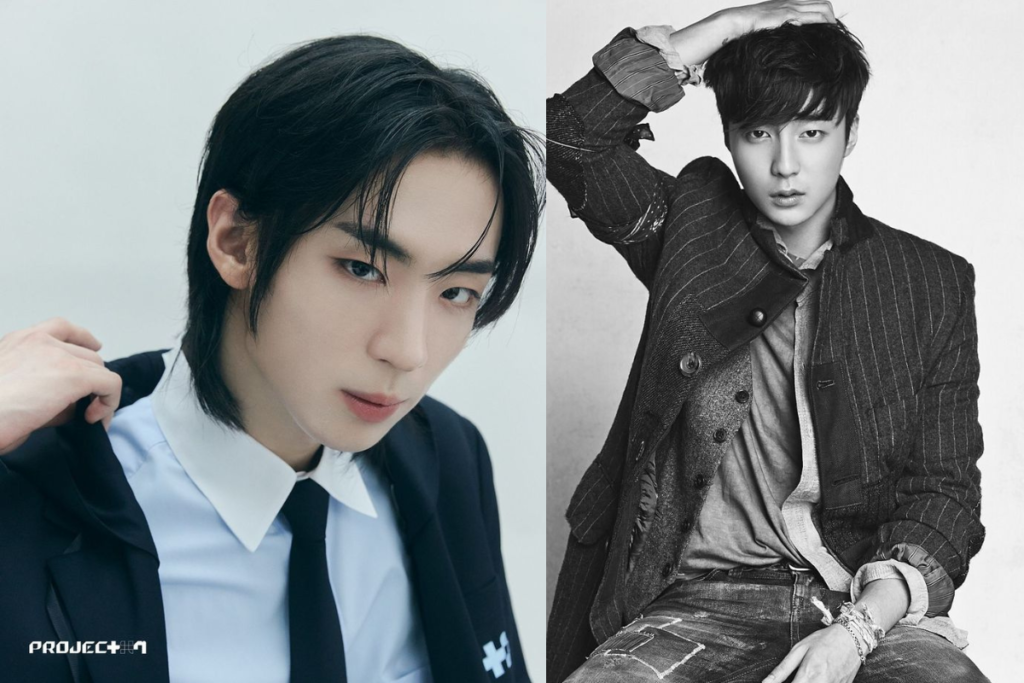
Member Roy publicly accused fellow members Han (now Wangok) and Hi of physical assault. He said a violent altercation sent him to the hospital with a possible fracture. He also alleged sexual misconduct involving another member. Afterward, the lineup changed and Roy shifted to new activities. These are Roy’s claims, shared by him and covered widely in 2024–2025 commentary (YouTube summary). No court outcome has been made public.
n.SSign (debuted 2023)
Former member Eddie posted criticisms that implied deep internal tension. He and two others later left, citing “health reasons.” Fans speculated about conflict, but there has been no official confirmation of any physical fight. The public record is limited to Eddie’s posts and the departures (round-up coverage).
When police get involved
Separate from idol-vs-idol fights, a 2024 SM-related assault case showed how fast agencies act once legal evidence appears. After police questioning and CCTV review, the artist was pulled from activities and the contract ended. It wasn’t a group-on-group clash, but it shows the industry’s response once investigations begin (overview video).
Since 2020, confirmed physical cases are rare. They tend to come from smaller or newer teams. They are acknowledged through member statements, medical notes, or legal steps rather than glossy press releases.
Rumors, misreads, and older stories we keep seeing
Many “k pop idols fight” clips trending now are pre-2020 moments. Others are emotional, on-camera disputes that the idols resolved at the time.
BTS (2017–2018)
Jin and V argued over choreography speed in Burn The Stage, then reconciled tearfully. Jimin and Jungkook also shared a dramatic rain-night argument story. These were real disagreements, not assaults, and the members talked about them openly later (KpopStarz recap).
NCT Dream (2017)
Airport and fancam moments led to theories about Mark and Haechan tension. There was no official confirmation of a fight. Fans read expressions and small choreo tweaks, and those clips still recirculate years later.
Super Junior (2010)
Members have acknowledged a serious quarrel during an Incheon event that got physical and nearly split the team. It’s an older case, often cited as a cautionary story about pressure and burnout (feature overview).
Trainee-era spats (various)
Moments like EXO’s early “nagajuseyo” meme or survival-show scoldings are real but minor. They were awkward practice-room clashes, not violent incidents (KpopStarz recap).
Rule of thumb: medical documentation, a police inquiry, or a direct company notice signals a real incident. A single side-eye in a fancam is usually a misread or an old story resurfacing.
Where clashes really happen (and why you rarely hear about them)
Most friction starts in private spaces: dorms, vans, and practice rooms. Long hours, low autonomy, and performance stakes raise the temperature fast.

- Dorm stress — Tight schedules and no space can trigger shouting matches or brief shoves. Most incidents end before a manager even hears about them.
- Trainee pressure cooker — Survival shows and monthly evaluations turn small slights into long tensions. “Health reasons” exits sometimes cover deeper issues.
- On-stage misunderstandings — Missed cues or a hard shoulder brush look dramatic on camera. Often the root cause is choreography or blocking, not personal beef.
- Power dynamics — Senior-junior hierarchy and language gaps can silence complaints. Conflicts then move to private mediation rather than public statements.
How agencies handle it when things get real
Companies try to resolve problems early or keep them off the front page. The playbook is now familiar.
- Minimal PR first — A short post, a “health” hiatus, or schedule pauses. This buys time to verify facts and limits legal exposure.
- Internal mediation — Counseling, member-to-member sessions, new roommates, or separate units during promotions. Many issues end here.
- Legal moves if needed — If an assault is verified, termination or indefinite suspension can follow. The recent SM-adjacent case shows how fast this happens once police evidence appears (case explainer).
- Business fallout — Confirmed incidents can delay comebacks, change lineups, and scare off brand deals. Even rumors strain fan trust and slow momentum.
The reaction landscape (fans vs. headlines)
Fan communities split quickly. Some defend idols as misunderstood. Others demand full transparency and receipts.
Smaller groups get hit harder when a member publicly accuses another. Plan B’s situation is a recent example. With less established identities, each member feels irreplaceable and the shock lands deeper (round-up coverage).
News outlets mark confirmed items as news and label unverified claims as rumors. Social feeds do the opposite. A tense look becomes a “feud” within hours.
Quick checks before you believe a clip
- If the clip is from a documentary, variety show, or a live with an apology arc, it’s probably a resolved argument, not a current crisis.
- Hospital reports, police mentions, or a company notice carry more weight than fancam edits.
- Since 2020, most verified k pop idol fights real cases involve smaller groups or trainee settings, not top-tier acts.
Bottom line
Arguments happen under extreme schedules. Most are private and end with mediation. Actual assaults are rare but serious, and they change lineups, promotions, and careers.
For everything else, treat viral clips with caution. Look for clear signs: medical documentation, police involvement, or a direct agency statement. That is the difference between a real scandal and a moment that only looks dramatic on camera.