On Feb. 27, 2026, newly viewable court transcripts tied to the Min Hee Jin vs. HYBE dispute lit up fandom timelines again—this time over the most tired, never-ending K-pop argument: album numbers, and what counts as “real sales.” Under South Korea’s disclosure rules, parts of hearing records can become accessible after a certain period. Fans quickly started circulating translated excerpts and screenshots.
In the documents summarized in coverage describing alleged “push-out” practices, the scale being discussed reaches up to roughly 500,000 copies across multiple coded albums. The central allegation is simple to understand, even if the paperwork isn’t: albums were shipped or “sold” in ways that made early numbers look huge, then unsold stock was later returned.
The term everyone’s arguing about: “push-out” vs. “sajaegi”
“Push-out” is the word being used here for large-volume shipments or purchases under returnable conditions (or advance purchases) so first-week totals look stronger—followed by returns or other reversal once the headlines have hit. And yes, to a lot of fans, that immediately sounds like “sajaegi,” the umbrella term people use for chart-and-sales manipulation.
But the wording matters. “Push-out” can be framed as a distribution or contract setup. “Sajaegi” implies intentional fraud to game charts. That gap is exactly why online debate is so heated right now.
What the court documents specifically say (only the confirmed bits)
According to the court-document summaries cited in the Feb. 27 reporting, transcripts describe that in 2023, two albums were sold under returnable structures: 70,000 copies each, totaling 140,000. The same summaries say a HYBE Japan strategic planning lead used the phrase “volume push-out” in an Aug. 4, 2023 context.

The summaries also describe HYBE conducting an internal review after concerns were raised. That review identified return-condition transactions, and the company later “strengthened internal controls” and set regulations to prevent recurrence. Some readers take that as an acknowledgment. HYBE’s public-facing stance, as reflected in the reporting, has been denial of wrongdoing.
The NewJeans/ADOR point: recommendation made, refusal recorded
One artist-specific reference that stands out in the summaries involves NewJeans. The cited materials state that NewJeans was recommended to release albums “in a push-out manner.” They also include a suggestion to push 100,000 copies to surpass an initial-sales record.
ADOR/Min Hee Jin’s side is recorded as refusing on “business philosophy” grounds and requesting a strict investigation and transparency, per an ADOR statement dated April 16, 2024 that is quoted in the transcript-based summary. In that telling, the recommendation is described as coming from higher up, while the refusal is explicitly attributed to ADOR.
The coded albums (CA–CE): what’s listed, what isn’t named
Separate transcript-related reporting references five anonymized items labeled CA–CE, with inventory and returns tallied in a way that implies hundreds of thousands of units affected. A widely shared breakdown lists figures like “initial stock,” “stocks requiring return,” and “return in progress,” as summarized in a second roundup of the released records.
Still, the key limitation is right there: the coded albums are not publicly matched to specific artists in the provided summaries. So posts “naming” groups off CA–CE are guessing unless they can point to actual exhibits or identifying details.
Quick “confirmed vs. claimed” checkpoint for readers
- Confirmed in the cited document summaries: returnable/advance-purchase structures were used; an internal audit/review identified issues; internal controls were strengthened afterward.
- Confirmed in the cited document summaries: NewJeans was recommended for push-out; ADOR refused and reported concerns.
- Not confirmed by the provided material: claims that all HYBE artists benefited; the real identities of CA–CE; any final criminal finding or liability determination that legally equals “sajaegi.”
Public reaction and the business fallout people are projecting
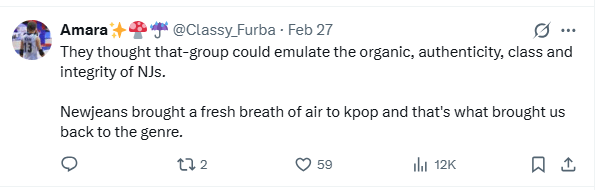
As excerpts spread across forums and repost accounts, reactions have swung between “everyone does it” and “it hits different.” The difference, for many, is that it appears in court records.” YYou can see the same themes repeating under viral translations of the transcripts. There is skepticism about first-week bragging rights and side-eye at how sales narratives line up with financial performance.
“No wonder the company’s revenues are so low when their sales are so high.”


What to watch next (reporting checklist, not speculation)
Now the obvious next step is whether HYBE issues an updated response. Specifically, whether it directly addresses the internal-review and “controls strengthened” language now that the excerpts are widely circulating. It is also unclear whether follow-up filings will clarify who owned the decisions—the label, the distributor, or the parent company.
Separately, people are tracking the broader legal standoff after Min Hee Jin’s late-February proposal to end the disputes, as described in her press conference remarks. And the biggest open question in the “HYBE sajaegi 2026” discourse is whether future transcript pages or exhibits keep CA–CE anonymized. Or whether they finally include enough detail for credible identification. Until then, what’s in the documents and what fans assume are still two very different things.