Music Core Macau Canceled: MBC has officially pulled the plug on “Show! Music Core in MACAU” just 10 days before it was set to take place. The concert was scheduled for February 7 and 8, 2026, at Galaxy Arena in Macau, and the cancellation notice landed on January 28.
This was supposed to be one of the first big overseas “Music Core” stops of 2026—exactly the kind of event fans build full travel plans around. And still, some people were waiting on clearer ticketing and logistics. Now the big question is simple: what went wrong, and what happens next with refunds and rebooking?
MBC’s official line—and what it implies
In its notice, MBC said the decision came after a “comprehensive review of local circumstances and various conditions,” adding that the show could be revisited once a “more stable environment” is in place. That framing matters. It reads less like a routine schedule change and more like a situation they couldn’t fix in time.
“After a comprehensive review of local circumstances and various conditions, we have inevitably decided to cancel.”
What MBC didn’t do is spell out specifics—no breakdown of permits, staffing, security, or other production issues. So fans are left piecing together the reason from reporting elsewhere.
Timeline of red flags before the announcement
The trouble signals didn’t start on cancellation day. Korean media had already pointed out that ticket sales were expected to begin in mid-January, but updates stalled—something that tends to set fandom alarm bells off fast.
There was also reporting raising questions about venue-side approvals during early promotion. Nothing was confirmed by MBC at the time, but the overall vibe was that key details weren’t locking into place.
The likely trigger: visa barriers tied to regional tensions
While MBC kept its wording broad, industry reporting quickly zeroed in on a more concrete blocker: visas. StarNews reported that visa issuance became difficult amid Korea–Japan diplomatic friction, and that this directly complicated participation—especially for artists with Japanese nationality.
That kind of issue is brutal for a multi-act festival. If you can’t guarantee full-member attendance, you’re not just adjusting a set list—you’re risking a lineup meltdown.
Lineup fallout: why Japanese members became the flashpoint
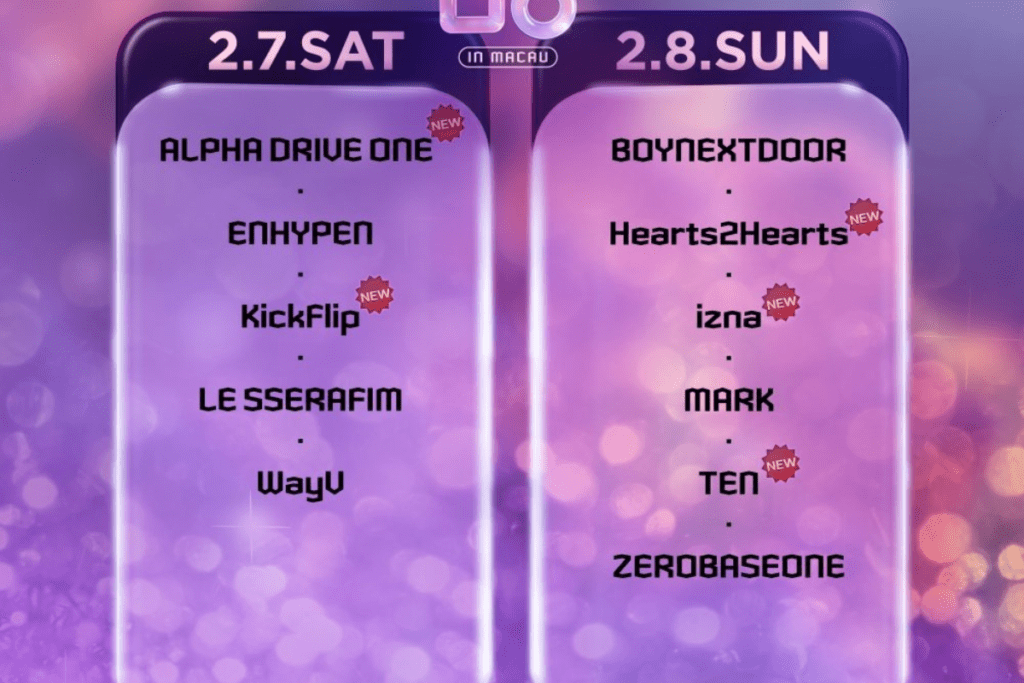
The announced “Music Core Macau lineup” included BoyNextDoor, ENHYPEN, LE SSERAFIM, NCT’s Mark, WayV, ZEROBASEONE, Alpha Drive One, Hearts2Hearts, izna, KickFlip, Ten, and more, per details reported alongside the cancellation.
According to coverage, groups with Japanese members were hit hardest by the visa situation, which then snowballed into a larger scheduling and planning problem for the whole bill. And realistically, swapping members in or out isn’t something most agencies—or fans—will accept when a group’s identity is built on “all members, all the time.”
What was confirmed vs. what remains unverified
- Confirmed: The event was canceled on Jan. 28 ahead of the planned Feb. 7–8 dates, and MBC cited “local circumstances and overall conditions.”
- Widely reported: Visa restrictions were a major practical barrier, particularly impacting artists with Japanese nationality amid Korea–Japan tensions.
- Unverified: Specific behind-the-scenes claims about venue disputes or agency pressure haven’t been detailed by MBC.
Why this matters for MBC Music Core 2026 and K-pop touring
This cancellation is another reminder that K-pop touring can get derailed fast when immigration policy and geopolitics get involved—especially for groups built around multiple nationalities. It also shows how risky it is to push early promotions before the unglamorous basics are fully secured.
For MBC’s overseas ambitions in 2026, the bigger test is whether broadcaster-led festivals can be “future-proofed” at all when a single visa bottleneck can make an entire weekend impossible.
What fans should watch next
- Whether MBC releases a follow-up with refund details, ticketing status, or any rescheduled plan.
- Statements from agencies for affected acts clarifying how much the visa issue impacted their participation.
- Any sign of a pivot—another city, another jurisdiction, or a restructured plan that avoids the same bottlenecks.