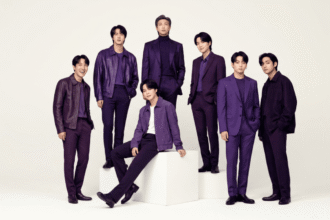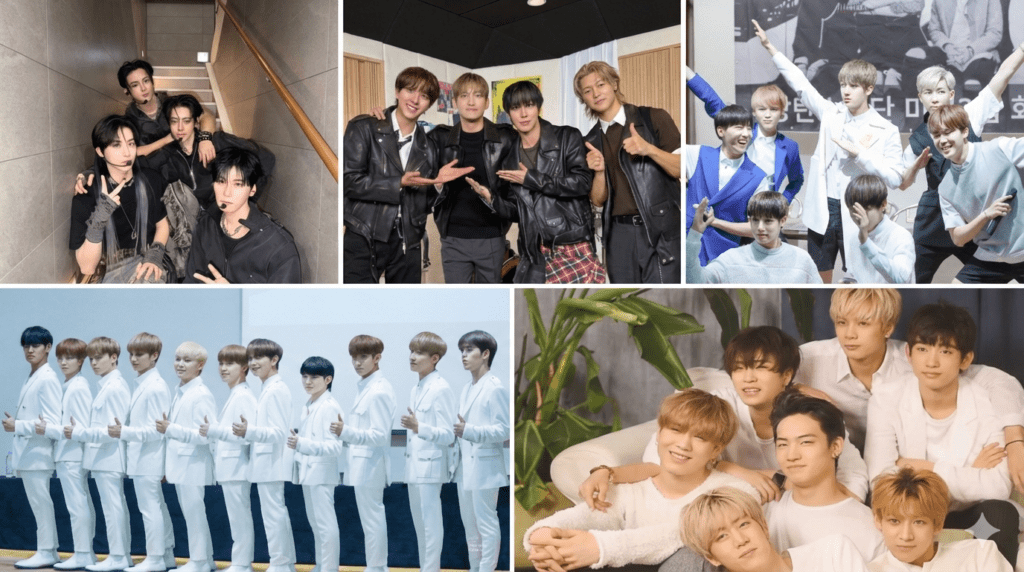
Every few months, fans start talking about the same thing: “contract renewals.” Since many groups are deciding whether to stay with their companies, fans are wondering what will happen next. This discussion has become even bigger after the recent member change in the group ONEUS.
That’s when you’ll see the phrase “7-year curse” start trending again. In the fan world, this means the moment when lots of groups either sign new contracts, change their members, take a long break, or call it quits. People often forget that seven years isn’t a magical number; it’s just the standard legal limit for a K-pop contract.
The Real Reason Behind the 7-Year Number and Curse
In the past, K-pop contracts were famous for being way too long and unfair. Following public backlash, the music industry was forced to change its rules. Around 2009, South Korea introduced new standard contract guidelines that banned ultra-long deals and made seven years the official limit for K-pop groups.
Still, “seven years” doesn’t mean every contract looks identical. Some artists renew early. Some negotiate shorter extensions instead of re-upping for another full cycle. And some split things up—group promotions under one set of terms, solo activities under another.
The case that changed everything: TVXQ’s 2009 lawsuit

The moment fans cite most is TVXQ’s legal battle. On July 31, 2009, Jaejoong, Junsu, and Yoochun filed a lawsuit against SM Entertainment seeking to end their reported 13-year exclusive contracts—a dispute often revisited in deep dives like this breakdown of K-pop contract law and damages clauses.
The claims most commonly repeated in industry conversation—overwork, unfair profit allocation, and heavy penalties for early termination—have been summarized again and again in retrospectives, including a long-form fan-compiled timeline of the dispute. The case became a major reference point in the “slave contract” debate and added pressure for reforms that shaped modern norms.
“Seven years” became a symbol because it’s the point where leverage shifts—and idols can finally renegotiate what their careers look like.
Quick facts fans get wrong about renewals
- Contract end doesn’t automatically equal disbandment. Most of the time, it’s the start of a new round of negotiations—money, scheduling, and the group’s long-term plan.
- Military service doesn’t magically “pause” everything. Groups can plan around enlistment, but contracts and renewals don’t follow one universal formula.
- A group can survive even if members change agencies. But it depends on trademark and brand rights—who controls the name, logos, and the ability to greenlight official group releases.
What renewal talks actually look like inside an agency
Renewals aren’t just about a group saying “we’re staying together.” They’re business negotiations. Think revenue splits (music, touring, merch), recoupment, and how much the company participates across the artist’s career—the kind of “360-style” structure discussed in entertainment law analysis like research on how modern K-pop deals are structured.
And then come the human terms. Creative control. Comeback frequency. Tour intensity. Health breaks that are actually respected. Increasingly, groups also explore mixed setups: a “group contract” for team activities, plus separate solo deals—or shorter renewals (like three years) to keep options open.
Case study map: three common outcomes at year seven
1) Renew and scale up
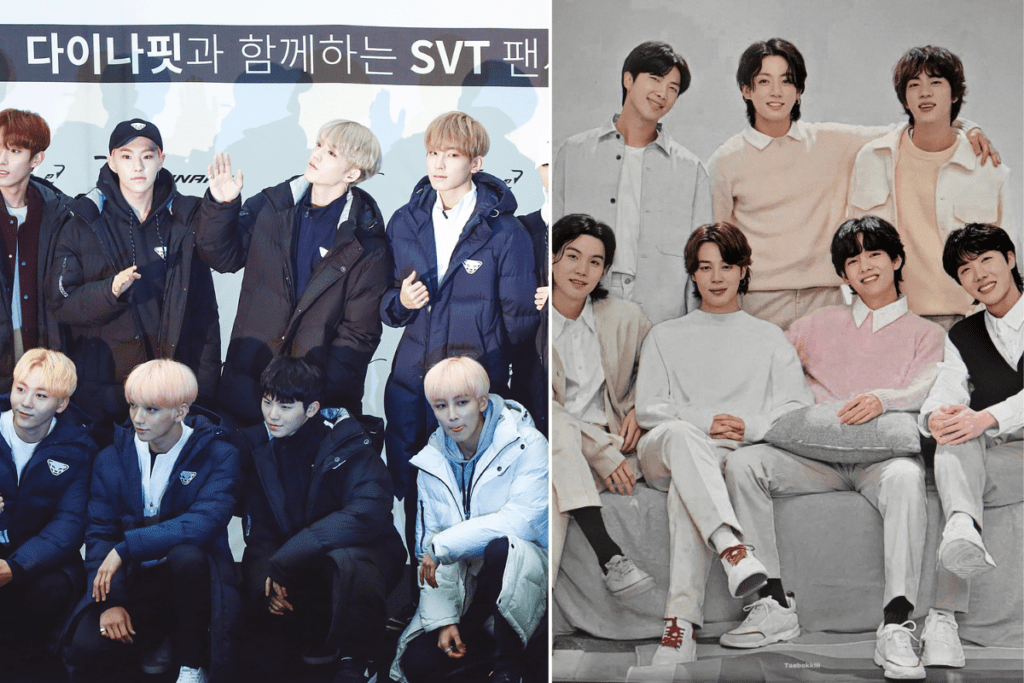
Some teams re-sign with improved terms and a clearer long-range plan. BTS is often used as the headline example here; they renewed with BigHit for additional years, a timeline covered in reporting on their renewal. SEVENTEEN also gets brought up in “early renewal” conversations—locking in stability now, with a later decision point down the line.
2) Leave agencies but keep the group

This is the outcome fans root for when they want independence without losing the team. GOT7 became the modern reference: members signed with different companies, but kept the group identity alive—something highlighted in explainers like this look at how their negotiations shifted expectations. Highlight is another example fans cite when talking about rebuilding after leaving an original agency.
3) Disband, pause, or rebrand

And sometimes, it really does end—at least as an active group. Maybe members can’t align on timing, terms, or rights. Maybe priorities change. GFRIEND is a name that still comes up whenever “why K-pop groups disband” debates flare back up.
What to watch next as more groups hit renewal season
If you’re tracking the next wave, pay attention to the small tells. Early re-sign announcements. Shifts in management credits. Agency statements that suddenly lean hard on words like “support” and “future activities.” Even trademark filings can hint at whether a group is planning for a shared future—or preparing for a clean break.
Now that mixed models are more common (group deal here, solo freedom there), fans may see fewer all-or-nothing endings. Which renewal path do you prefer for your favorites: stability under one label, or independence with occasional full-group comebacks?