The K-pop world is experiencing a revolutionary ‘Grand Collision’ in 2026. For the very first time, we have second-generation legends like Big Bang promoting at the same time as 3rd-gen icons like BTS and BLACKPINK. Meanwhile, 5th-gen rookies like Alpha Drive One (ALD1) and ILLIT are shattering debut records.
For new fans, the word “generation” can be very confusing. But understanding these eras is the only way to navigate K-pop’s history. Generations are not just about calendar years. These are defined by huge shifts in tech, marketing, and how we interact with our idols.
The Genesis (1996–2003): 1st Generation and the Idol Blueprint
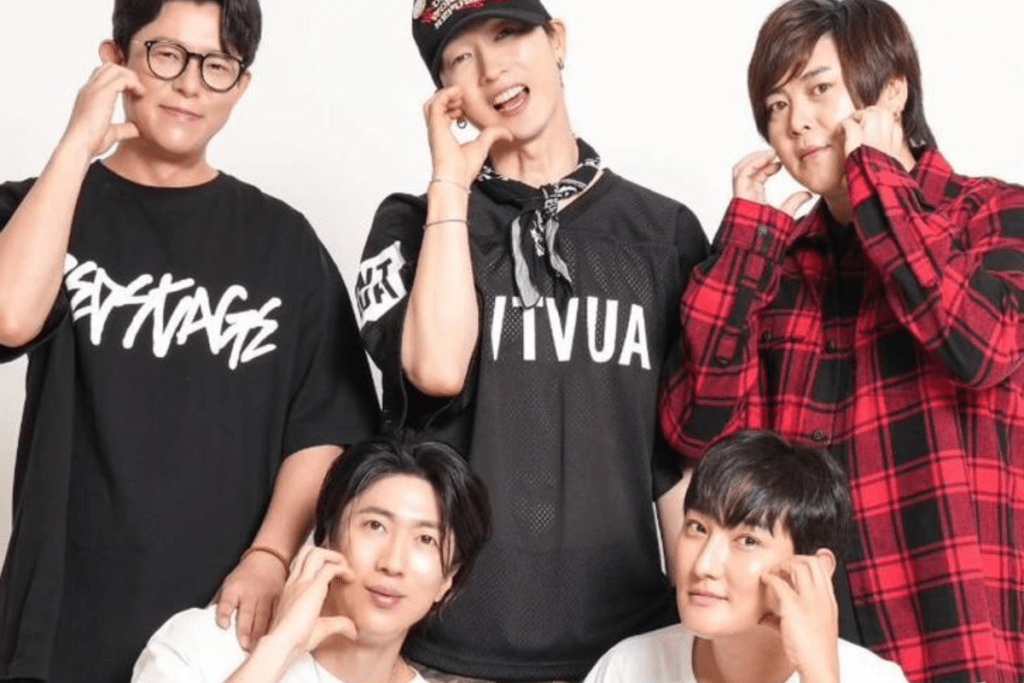
Every evolution has a starting point. For K-pop, that Big Bang moment happened in 1996. Seo Taiji and Boys had already shaken things up in 1992 by mixing American rap with Korean lyrics. But it was Lee Soo-man and SM Entertainment who perfected the modern idol training system when H.O.T. debuted.
The First Generation was all about conquering domestic dominance. Groups like H.O.T., S.E.S., Shinhwa, and g.o.d. were not just pop stars, they were national heroes. They established the “idol” as a specific cultural figure. This is also where iconic fandom culture officially began. Long before modern lightsticks, early fans wore matching raincoats and waved colored balloons to support their favorite groups. Thus, they started the tradition of organized fan chants, which are still used in massive stadium concerts today.
Musically, the First Generation was characterized by a massive trial run. Producers were learning how to blend hip-hop, R&B, and bubblegum pop for a local audience. It was also the rise of the “Big 3” agencies, SM, JYP, and YG, that would rule the game for decades.
The Hallyu Explosion (2004–2011): 2nd Generation Goes International
The 2nd generation is often called the “Golden Age.” This is the time when K-pop really started crossing borders. Groups like TVXQ and Super Junior were the pioneers who broke through the massive Japanese market. Big Bang completely shattered the traditional idol mold. They were writing their own self-produced music and rocking a “bad boy” aesthetic that hit globally.
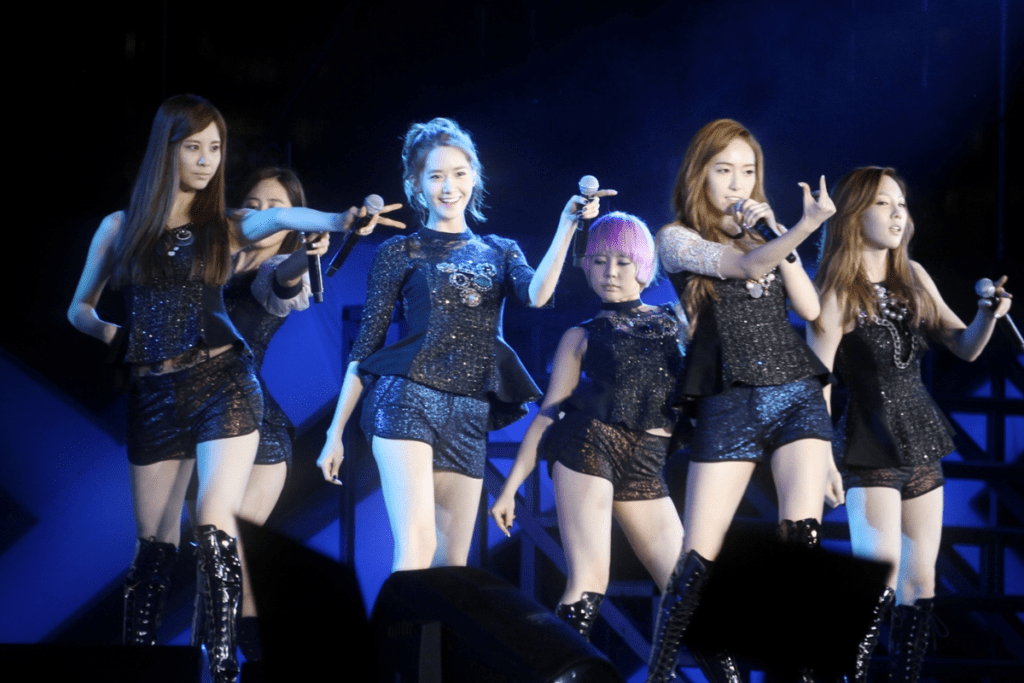
The Second Generation also witnessed ‘The Great Girl Group Peak’. A golden era where legendary acts like Girls’ Generation, 2NE1, and the Wonder Girls became unavoidable household names throughout Asia. This period also systematized the formation of groups. Designating a “Main Vocal,” “Visual,” or “Main Dancer” became the industry standard that still exists in 2026.
“The 2nd generation didn’t just make music; they created a blueprint for how a Korean artist could become a pan-Asian superstar.”
Now, the music shifted toward “hook songs.” These were tracks with catchy, repetitive choruses like Girls’ Generation’s ‘Gee’ or Super Junior’s ‘Sorry, Sorry.’ They were strategically built for the early internet age, making them perfect for the first wave of viral social media sharing.
The Era of Global Domination (2012–2017): 3rd Generation & Social Media
If the 2nd generation opened the door, the 3rd gen blew it wide open. This era was built entirely on social media dominance. Groups like BTS, EXO, and BLACKPINK didn’t bother trying to please traditional Western gatekeepers. Instead, they went straight to the fans, using platforms like YouTube, Twitter, and V-Live to build massive, deeply loyal global fandoms from the ground up.
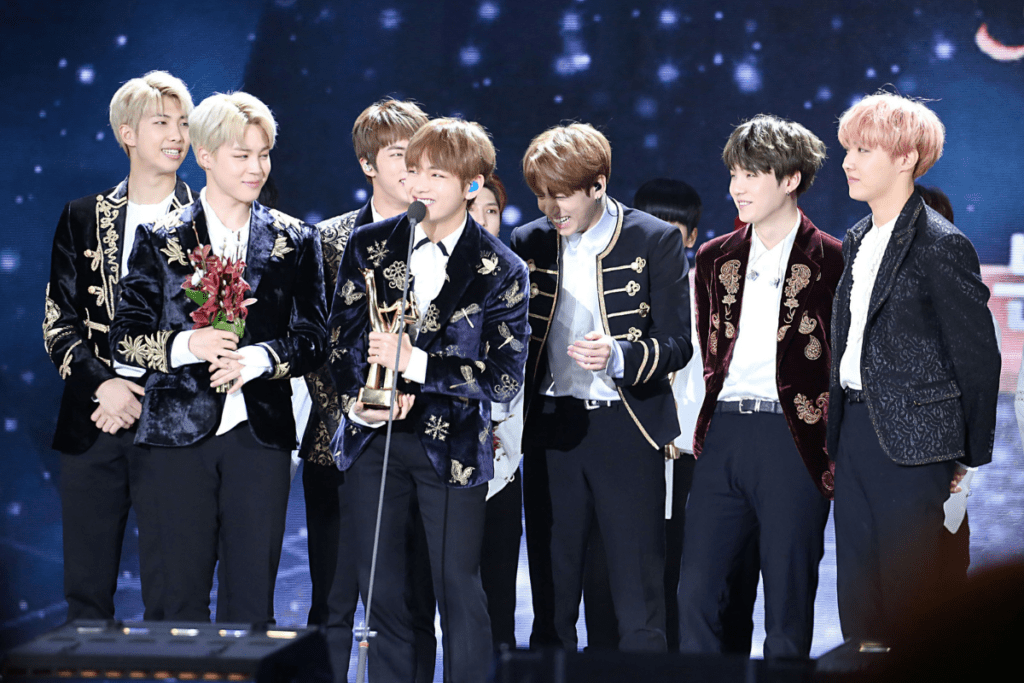
Key achievements in this period changed everything. BTS hit historic Billboard milestones. BLACKPINK made a groundbreaking Coachella debut. K-pop was no longer a “niche” genre; it was a global powerhouse. According to K-pop historians, this era shifted the focus from domestic fame to global streaming and massive stadium tours.
The 3rd gen also introduced “universe-building.” Music videos started featuring deep storylines that kept fans engaged between comebacks. High production values and intricate choreography became the new global standard for pop performances.
The Performance Powerhouses (2018–2022): 4th Generation & Concept Lore
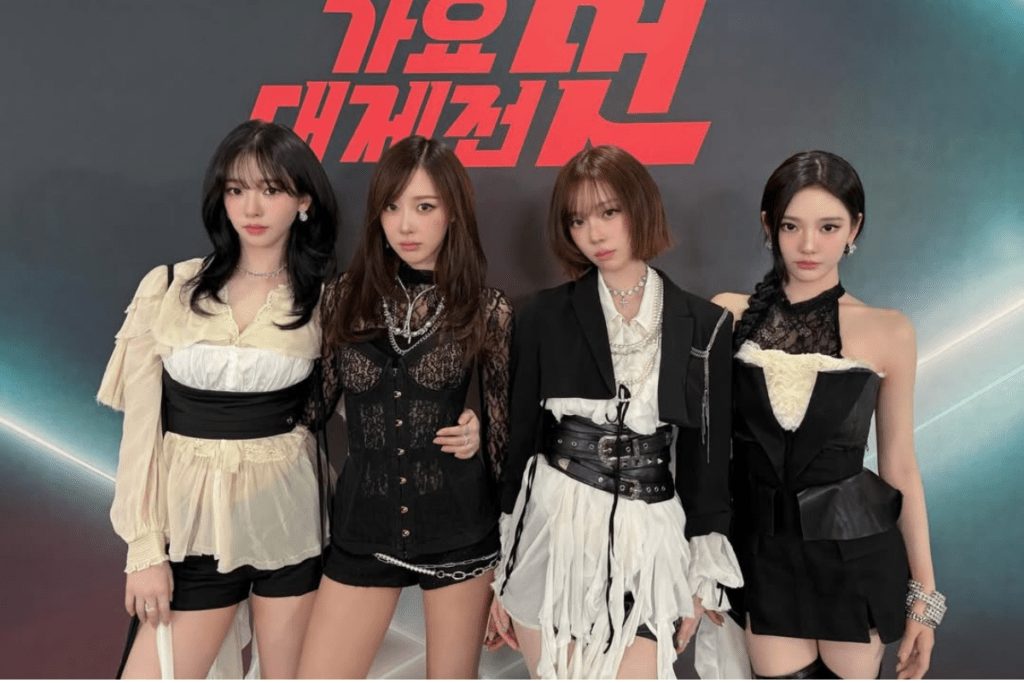
By the late 2010s, the 4th generation emerged with a focus on “Lore” and technical skill. aespa introduced the “KWANGYA” metaverse. Stray Kids and ATEEZ built identities around self-produced noise music and cinematic concepts.
The TikTok Effect also took over. Groups like IVE, NewJeans, and ENHYPEN prioritized viral choreography and short-form aesthetics. Their songs became instantly recognizable in 15-second clips. And we saw a rise in “producing idols,” where members took creative control over their own music.
The 4th gen proved K-pop could thrive even during a pandemic. They leaned into virtual concerts and digital fan meets. This made the global community feel more connected than ever before.
The 5th Generation Debate: 2023 to the 2026 “New Normal”
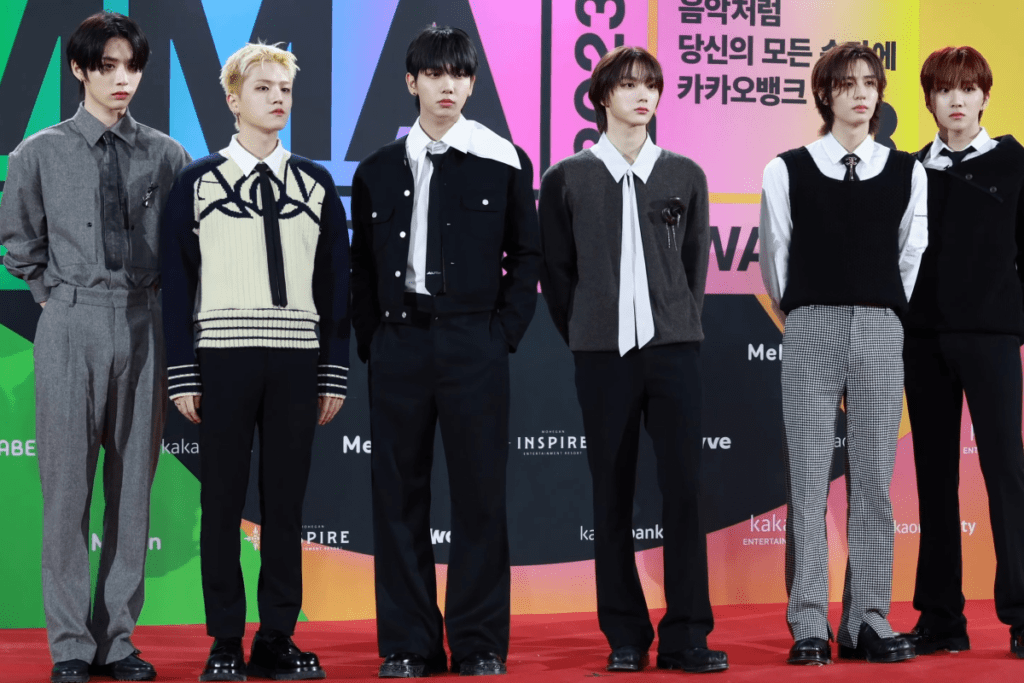
We are currently living through the 5th generation, which kicked off around 2023. This era is moving toward naturalism, think BOYNEXTDOOR or RIIZE. It’s also the era of globalized groups. The biggest debate right now involves KATSEYE. Does an L.A.-based, HYBE-trained group count as K-pop? This global approach is the hallmark of the 5th gen.
The latest milestone is the January 12, 2026, debut of Alpha Drive One (ALD1). Formed through the survival show “Boys II Planet,” this eight-member group includes Junseo, Arno, Leo, Geonwoo, Sangwon, Xinlong, Anxin, and Sanghyeon. They represent exactly where the 5th gen is going: high-tech, global lineups, and a sound that works in both the East and West.
As ALD1 starts their five-year journey, they are the face of the “New Normal.” The “K” in K-pop now refers more to the training style and production than a specific map coordinate.
The Quick Generation Timeline:
- 1st Gen (1996–2003): The Foundation. Key Acts: H.O.T., S.E.S., Shinhwa.
- 2nd Gen (2004–2011): The Hallyu Wave. Key Acts: Big Bang, Girls’ Generation, Super Junior.
- 3rd Gen (2012–2017): The Global Boom. Key Acts: BTS, BLACKPINK, EXO, SEVENTEEN.
- 4th Gen (2018–2022): The Performance/Lore Era. Key Acts: Stray Kids, aespa, IVE, NewJeans.
- 5th Gen (2023–Present): Global/Tech Integration. Key Acts: ALD1, KATSEYE, ZB1, Babymonster.