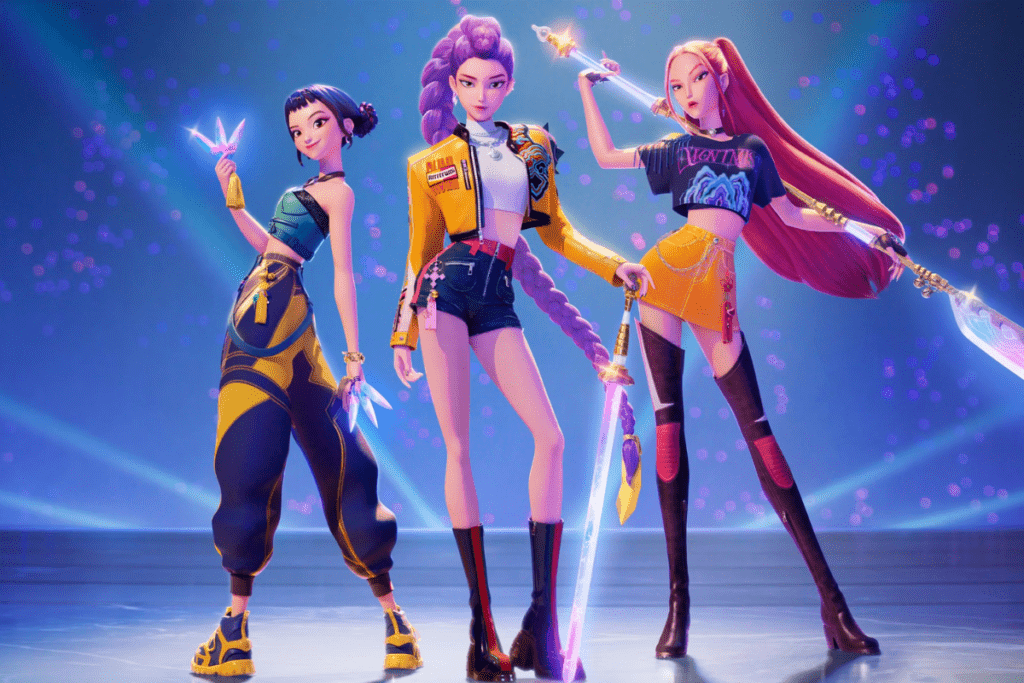
K-Pop Demon Hunters totally swept the Golden Globes. It proves the “Huntrix” hype is real, and it’s officially a massive hit. What started as a cool Netflix movie is now the ultimate blueprint for awesome monster shows. It has everything: the best squad goals, deep secrets, and amazing music that actually helps save the day. Plus, the scenes look so cool in TikTok edits.
This isn’t just a silly meme that people will forget about next week. It blends awesome animation, K-pop style, and spooky fantasy into the perfect package.
From June 2025 Drop to Global Obsession
When K-Pop Demon Hunters dropped in June 2025, fans’ reaction was instant. People even called it a “cultural reset.” This term is a huge compliment usually saved for real-life K-pop comebacks. The secret was simple but totally awesome. It mixed bright, anime-style action with epic K-pop dance moves. Every time the characters transformed or fought a monster, it felt like a music video you just had to replay over and over again.
Soon, people were talking about it way more than a normal Netflix show. When it hit movie theaters, it became a massive blockbuster and even made history as Netflix’s first-ever #1 movie at the box office.
The best part? The hype never ended! Instead of fading away, the movie stayed super popular all through 2026. Fans kept rewatching it, making awesome fancam edits, and blasting the soundtrack all over social media. It literally refused to leave anyone’s timeline. That non-stop fan love is exactly what makes the “Huntrix Effect” so powerful.
Streams, Charts, and The “Golden” Phenomenon
If the movie lit the spark, “Golden” carried the flame. It became the highest-charting soundtrack song of 2025 and absolutely crushed it on the Spotify charts. The track was so good it didn’t just help the movie, it actually brought in tons of new fans who hadn’t even watched the film yet.
That is exactly what made this so different. Instead of watching the movie first and listening to the music later, lots of people discovered K-Pop Demon Hunters through the soundtrack first. People ran to watch the movie just because “Golden” was absolutely everywhere.
These were the signals fans and industry watchers kept pointing to:
- “Golden” holding visibility on Spotify charts and playlists
- Netflix Top 10 presence and repeat-week endurance
- Soundtrack rankings that didn’t drop off after release month
- Persistent social-audio usage as fight-scene edits started playing like mini music promos
Golden Globes → Oscars → Grammys
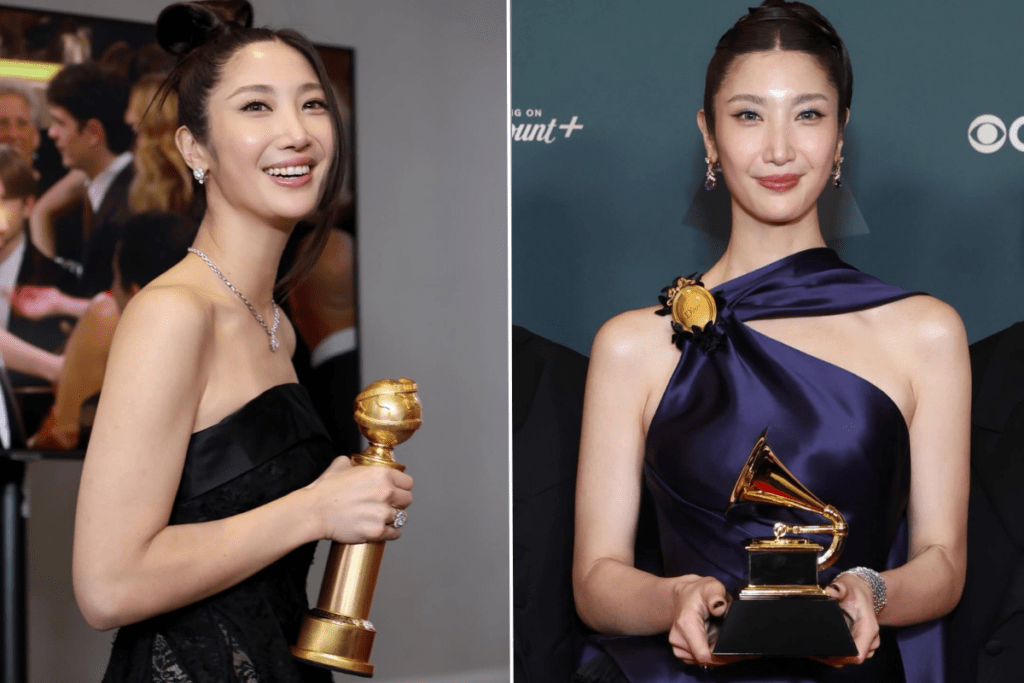
Then came awards season. The fans were right. The industry took notice. Winning at the Golden Globes changed everything. This was not just a small, niche project anymore. It was a massive success.
Now, the next big milestone is here. “Golden” earned a historic 2026 Oscar nomination for Best Original Song. It is now going up against giants like Zootopia 2 and Elio. This is not a token nomination. It is a serious fight for the win.
The Grammys are another story. Reports say the film made history, but the details are still coming in. Everyone is searching for specific wins for “K-pop Demon Hunter: Golden.”
The Parameters Behind K-Pop Demon Hunters success
Huntrix on Netflix is a technical success. It blends formats in a way the internet loves. The action is easy to watch in short clips. Its idol-performance style creates natural “stages.” The supernatural stakes feel high-concept, not campy.
The film also understands how fandoms work. It was built for rewatching. Its pacing, visuals, and character dynamics are perfect for social media. They naturally lead to fan edits, “ships,” and theories. This creates constant, free promotion between major release dates.
Animation also made it accessible to everyone. You do not need to know K-drama history or recognize famous idols to enjoy it. The action and music are easy to understand. This makes it a simple recommendation for both music lovers and fantasy fans.